Mithi Riverfront To Promenades: Inside Dharavi's Makeover Inspired By Singapore, London
3 hours from now
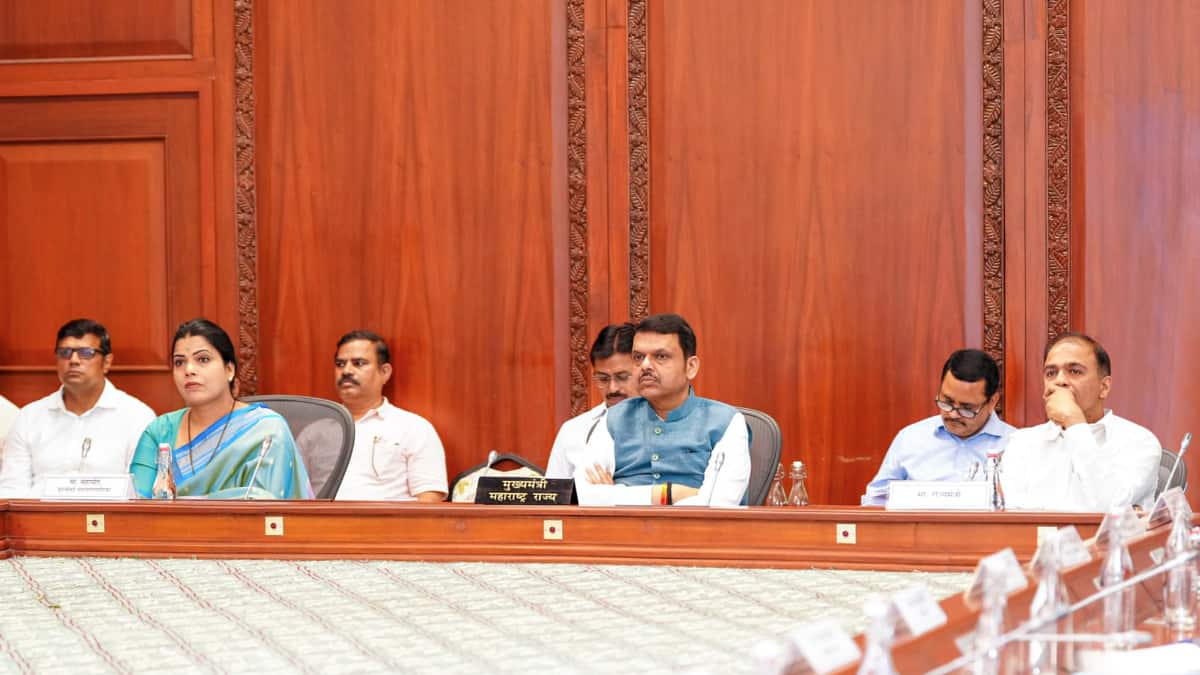
Imagine a child in Dharavi stepping out of home and walking safely to school along a tree-lined riverfront promenade. Families gather in public squares. Cyclists move through dedicated lanes. Small businesses thrive close to where people live. The Mithi River, once seen as a neglected waterway, becomes a vibrant public space where residents meet, exercise and unwind. For many cities around the world, this is an everyday reality. For Dharavi, it is the vision at the heart of one of India's most ambitious urban transformation projects. The Dharavi Redevelopment Project aims to do far more than replace old structures with new buildings. Its larger objective is to create an integrated, walkable neighbourhood where housing, employment, mobility and public spaces are woven together to improve quality of life for residents. Speaking on Monday, Maharashtra Chief Minister Devendra Fadnavis said the redevelopment would follow the model of modern housing developments seen in Singapore and Hong Kong. The first phase of the project is expected to be completed and handed over by March 2028. Reimagining Dharavi Beyond Housing Dharavi has long been recognised not only as one of Asia's largest informal settlements but also as a vibrant economic hub. Thousands of small enterprises, workshops and businesses operate within its dense network of lanes, supporting livelihoods for countless families. The challenge for planners has been to modernise living conditions without disrupting the social and economic fabric that makes Dharavi unique. Fadnavis has emphasised that protecting residents' interests, livelihoods and identity remains a central goal of the project. The redevelopment initiative, being undertaken by the Maharashtra government in partnership with the Adani Group, seeks to balance urban renewal with community continuity. Rather than treating redevelopment as a purely construction-driven exercise, planners envision a neighbourhood designed around people and their daily needs. Lessons From Global Cities Urban planners often look to successful international examples when designing large-scale redevelopment projects, and Dharavi's blueprint borrows ideas from several global cities. In central London, areas such as Canary Wharf, King's Cross and the South Bank demonstrate how dense urban districts can remain highly walkable. Offices, homes, shops, parks and transit systems are located within easy reach of one another, reducing dependence on private vehicles. That principle forms a key pillar of Dharavi's redevelopment strategy. Schools, workplaces, healthcare facilities and public transport are intended to be accessible within short walking distances, creating a neighbourhood where daily life is less dependent on long commutes. A New Future For The Mithi River Perhaps the most transformative element of the plan is the proposed riverfront redevelopment along the Mithi River. Singapore offers a powerful example of how waterways can be reclaimed as public assets. Areas around the Singapore River and Marina Bay have evolved from polluted industrial stretches into vibrant destinations lined with promenades, parks and mixed-use developments. Dharavi's planners hope to achieve something similar by turning the Mithi riverfront into a green public corridor. The proposed promenade would provide space for walking, cycling, recreation and community activities while improving environmental conditions and restoring public access to the waterfront. Instead of serving as a barrier, the river could become a focal point of community life. ALSO READ: Nepal Suspends Indian Mango Imports Over Pesticide Residues Days After Japan Ban Bringing Homes And Jobs Closer Together Another defining feature of the masterplan is its emphasis on mixed-use development. Global districts such as Downtown Dubai and parts of Bangkok's revitalised riverfront demonstrate how housing, workplaces, healthcare services, retail outlets and recreational facilities can coexist within a compact urban framework. For Dharavi residents, this approach could mean shorter commutes, lower transportation costs and stronger local economic opportunities. The redevelopment blueprint includes vertical housing integrated with commercial and employment spaces, helping residents live and work within the same neighbourhood.
Click here to Read more

Related India Updates:
.png)
0
0
5 hours from now

.png)