
7 social skills that can help children become confident and make friends easily
2 hours from now

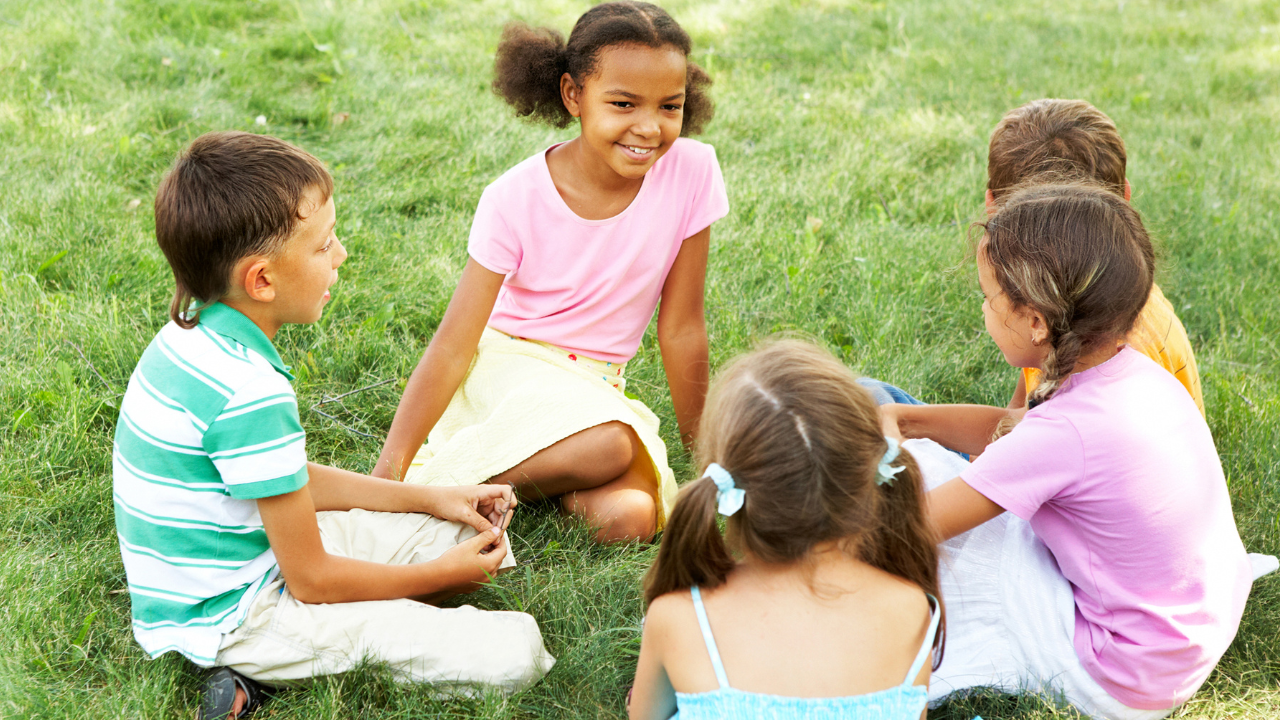
Some people seem to have a natural way of making others feel at ease, often within minutes of meeting. Such people are not necessarily the loudest or the most traditionally confident. The key is that these people know how to connect and make others feel comfortable. They use a set of social skills that make them stand out. These habits can be learned and practiced, especially in young children as they grow.Here are seven simple yet powerful social skills that can help children become confident and build stronger relationships:Say Hello firstOne of the simplest yet most powerful social habits is taking the first step to greet others. Many children (and even adults) hesitate, waiting for someone else to initiate the interaction. Confident kids start the interaction. This small interaction acts as an icebreaker, reduces awkwardness, and sets a positive tone. For children stepping into new environments, such as classrooms or playgrounds, saying hello first can start meaningful friendships.Ask follow up questionsPeople feel valued when they are heard. Actively listening and then asking follow-up questions shows genuine interest in the other person’s thoughts and experiences. Instead of immediately talking about themselves, confident kids stay curious and ask questions. People naturally gravitate toward those who shows real interest in them. Curiosity doesn’t have to be pretentious, because sometimes, listening to other people’s experiences and thoughts can give meaningful insights. Remember people’s namesThis is one of the easiest ways to make others feel seen and create a lasting impression. Remembering and using someone’s name correctly signals attention, recognition, and respect. When someone hears their name used in conversation, it makes them feel acknowledged rather than invisible.Match the moodGood social interaction isn’t just about words, it’s also about emotional awareness. Socially skilled kids know how to read the room. If someone is excited, celebrate with them. If someone is sharing something serious, slow down and listen. Such children understand that adjusting their response according to the person’s emotions helps them feel understood. Include the kid standing alone One of the most meaningful social actions is noticing the person who is left out. Kindness is one of the most powerful social skills; a quick invitation can completely change someone’s day. A simple invitation like “Do you want to join us?” can completely change that person’s experience. When such kids grow up, these habits build kindness, leadership, and emotional intelligence. Listen without interrupting Listening is one of the most underestimated social skills, yet many people listen only to respond, not to understand. True listening means allowing the other person to finish their thoughts without interruption. Kids don’t have to agree with everything they hear, but learning to listen before speaking builds stronger relationships. End conversations politelyJust as starting a conversation matters, ending one gracefully is equally important. Many interactions become awkward simply because people don’t know how to exit politely. Simple phrases like “See you later” or “It’s nice talking to you” close conversations smoothly, without causing any discomfort. Gracefully ending conversations show emotional maturity and respect for the other person’s time and space.
Click here to Read more


Related Life Style Updates:

0
0
5 hours from now

4 hours from now
3 hours from now
1 hour from now