Delhi Power Shock: Electricity Bills May Rise Up to 3.3% for High-Consumption Consumers
3 hours from now

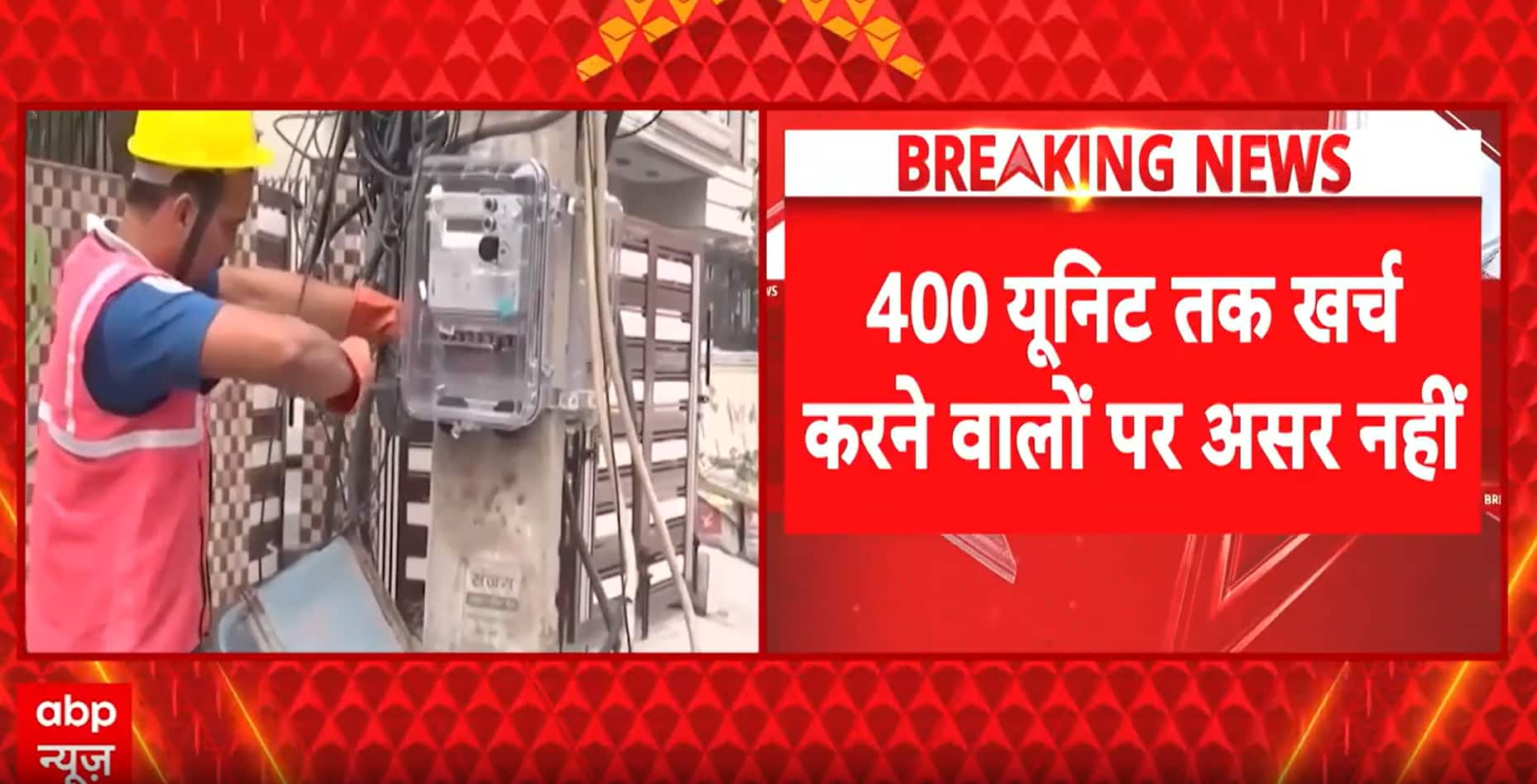
Residents of Delhi may soon face higher electricity bills as the Delhi Electricity Regulatory Commission (DERC) has approved an increase in the Fuel and Power Purchase Adjustment Surcharge (FPPAS) for power distribution companies. The decision is expected to result in a hike of electricity tariffs ranging from 1% to 3.3%, depending on the category of consumers and their power consumption levels. According to the latest developments, the impact of the tariff revision will primarily be felt by consumers using more than 500 units of electricity per month. Commercial establishments, industrial units, and domestic consumers who do not receive government subsidies are likely to see the biggest increase in their monthly power bills. However, there is relief for a large section of residential consumers. Households that consume up to 500 units of electricity and are covered under existing subsidy schemes are not expected to face any significant increase in their electricity expenses. Consumers availing benefits under Delhi government's subsidized power categories are likely to remain largely unaffected. The revision has been approved to help power distribution companies recover rising fuel and power procurement costs. Electricity distributors have long argued that increasing generation and procurement expenses need to be reflected in tariffs to maintain financial stability and ensure uninterrupted power supply. Industry stakeholders are closely monitoring the move, as higher electricity costs could increase operational expenses for businesses and manufacturing units. Experts believe that any rise in industrial power tariffs may eventually impact production costs and consumer prices in certain sectors. The development comes at a time when power demand in the national capital remains high, particularly during peak summer months. Consumers falling outside subsidy brackets are advised to review their electricity consumption patterns as the revised surcharge is expected to reflect in upcoming billing cycles.
Click here to Read more


Related India Updates:

0
0
5 hours from now