
Will Petrol, Diesel And LPG Prices Fall In India If Hormuz Reopens? How The US-Iran Peace Deal Could Help
4 hours from now

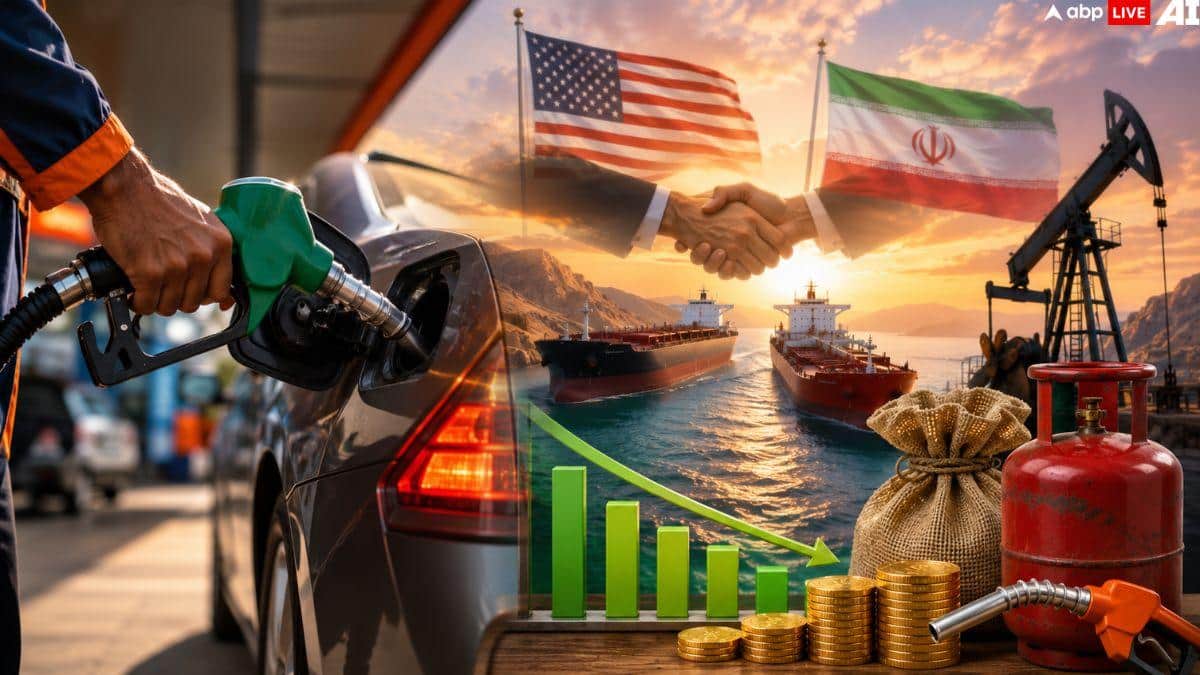
For more than three months, a narrow stretch of water between Iran and Oman has had an outsized influence on the Indian economy. The Strait of Hormuz, one of the world's most critical energy chokepoints, became a focal point of global concern after the outbreak of conflict involving the United States and Iran earlier this year. As oil tankers faced disruptions, freight costs surged and energy markets tightened, India found itself among the countries most exposed to the fallout. Now, a possible breakthrough may be in sight. US President Donald Trump announced on Sunday that Washington and Tehran have finalised a peace agreement after 107 days of conflict, with a formal signing ceremony scheduled in Switzerland on June 19. The deal is expected to pave the way for the reopening of the Strait of Hormuz and the removal of restrictions that have disrupted one of the world's busiest energy corridors. If the agreement holds, the economic implications for India could be substantial. Why Hormuz Matters So Much To India The Strait of Hormuz handles roughly one-fifth of global oil consumption and serves as the primary export route for several Gulf producers, including Saudi Arabia, Iraq, Kuwait, the United Arab Emirates and Qatar. For India, the route is nothing short of strategic. Before the conflict, India imported more than 88 per cent of its crude oil requirements, with roughly half of those supplies originating from Gulf countries whose exports pass through Hormuz. The country's dependence extended beyond crude oil. India met around 60 per cent of its LPG requirements through imports, with nearly 90 per cent of those shipments transiting the strait. It also relied on imports for about half of its natural gas consumption, with approximately 65 per cent sourced from suppliers such as Qatar and the UAE. When the conflict disrupted traffic through Hormuz, the effects were felt far beyond energy markets. The Shock That Reached Every Household The disruption triggered a sharp rise in global crude oil prices. Brent crude, which had traded around $70-72 per barrel in February, surged to as high as $119 per barrel during the peak of the conflict. Higher crude prices quickly translated into higher costs across the energy chain. The government initially attempted to shield consumers by reducing excise duties on petrol and diesel by Rs 10 per litre each on March 27. However, following state elections, petrol and diesel prices were increased by around Rs 7.50 per litre, while CNG prices rose by Rs 6 per kg. LPG users were also affected, with cooking gas prices increasing by Rs 89 per 14.2-kg cylinder in two instalments. Despite these hikes, state-owned oil marketing companies continued to incur losses because retail prices did not fully reflect the surge in international energy costs. Industry estimates suggest OMCs are still losing around Rs 650 crore every day. Also Read : Dalal Street Soars As US-Iran Strike Peace Deal, Hormuz To Reopen, Sensex Up 1,200 Points, Nifty At 24K How India Managed The Crisis As uncertainty deepened, policymakers and energy companies moved quickly to secure alternative supplies. Indian refiners expanded sourcing arrangements beyond the Gulf, increasing purchases from Russia, Africa, the United States and Latin America. Natural gas buyers explored additional LNG procurement options while monitoring spot markets for alternative cargoes. Authorities also reviewed fuel inventories and worked closely with oil companies to ensure adequate stocks of petrol, diesel, LPG and aviation fuel remained available across the country. The government even introduced provisions allowing temporary restrictions on bulk fuel purchases to prevent diversion and localised shortages if conditions deteriorated further. Meanwhile, LPG supplies were prioritised for households, while commercial consumers such as hotels and restaurants faced temporary restrictions. Oil Prices React Immediately Markets responded swiftly to Trump's announcement. After the US President declared that the agreement would allow "toll free" passage through the Strait of Hormuz and remove the naval blockade, oil prices retreated sharply. Brent crude fell around 4 per cent to approximately $84 per barrel. The decline reflected growing optimism that one of the biggest risks hanging over global energy markets could soon ease. While the agreement is still awaiting formal signing, traders have already begun pricing in the possibility of smoother energy flows and lower supply disruptions. Also Read : What's Known About The 14-Point US-Iran Peace Deal Set To Be Signed On June 19? What A Reopening Could Mean For India The most immediate benefit for India would likely come through lower oil prices. Every sustained decline in crude prices reduces the country's import bill and eases pressure on the rupee. Cheaper energy imports can also help narrow the current account deficit while lowering inflationary risks. For consumers, the impact may eventually filter through to transportation costs, logistics expenses and the prices of everyday goods. Lower crude prices also help reduce pressure on fuel retailers, which have spent months absorbing part of the global price shock. Industry analysts say a reopening of Hormuz could gradually improve the financial position of OMCs by reducing under-recoveries and easing procurement costs. Relief For Airlines, Fertiliser Makers And Industry The benefits would extend far beyond petrol pumps. Aviation has been one of the sectors hardest hit by the energy shock, with aviation turbine fuel prices rising sharply during the conflict. The government recently approved a Rs 10,000 crore Aviation Turbine Fuel Price Stabilisation Fund to help airlines cope with elevated fuel costs. A sustained decline in oil prices could reduce pressure on airlines and potentially support more stable airfares. The fertiliser sector could also benefit. Natural gas is a key feedstock for fertiliser production, and lower energy prices would help ease cost pressures that have pushed India's fertiliser subsidy burden higher. Manufacturers, logistics firms, shipping operators and petrochemical companies would likewise benefit from lower energy and transportation expenses. A Window For Policymakers Beyond energy markets, a calmer Gulf region could provide policymakers with greater room to manoeuvre. Reduced geopolitical uncertainty would make it easier to manage inflation, preserve fiscal discipline and focus on domestic growth priorities. For an economy that remains heavily dependent on imported energy, stability in the Strait of Hormuz carries significance far beyond oil tankers and shipping lanes. The conflict exposed how quickly a disruption thousands of kilometres away can influence fuel prices, inflation and government finances in India. If the peace agreement survives the coming weeks and Hormuz reopens as planned after the June 19 signing ceremony, India could emerge as one of the biggest beneficiaries of a return to normalcy in global energy markets.
Click here to Read more

Related India Updates:


0
0
5 hours from now


5 hours from now